


When Should You Contact a GP for Ear Problems?
Ear problems are common and can affect people of all ages. Symptoms such as blocked ears, discomfort, ringing, reduced hearing, or pressure are often minor and temporary. However, there are times when ear symptoms may indicate a condition that requires medical assessment.
Many people are unsure whether they should book an appointment with their GP, arrange a professional ear examination, or simply wait to see if symptoms improve on their own.
If you are experiencing ear problems in Shirley, Solihull, this guide explains which symptoms can often be assessed through an ear examination and when it is important to contact your GP for further medical advice.
The Short Answer: When Should You Contact a GP?
You should contact a GP if you experience symptoms such as severe ear pain, ear discharge, sudden hearing loss, persistent dizziness, signs of infection, or symptoms that do not improve.
While some ear problems are caused by ear wax build-up, others may require medical diagnosis or treatment. A professional ear examination can often help identify whether wax may be contributing to your symptoms, but certain conditions require assessment by a GP or healthcare professional.
If you are experiencing ongoing ear concerns in Shirley, Solihull, seeking appropriate advice early can help prevent symptoms from worsening.
Many Ear Symptoms Are Not Caused by Ear Wax Alone
It is easy to assume that every blocked or uncomfortable ear is caused by excess wax. While ear wax is a common cause of hearing changes and ear discomfort, similar symptoms can also be linked to:
-
Ear infections
-
Sinus congestion
-
Eustachian tube dysfunction
-
Inflammation of the ear canal
-
Hearing loss
-
Tinnitus
-
Inner ear conditions
This is why professional assessment is often the safest first step when symptoms persist or become concerning.

Ear Problems That May Require a GP Appointment
Certain symptoms should not be ignored and may require medical attention.
Severe Ear Pain
Mild discomfort can sometimes occur with blocked ears or pressure changes. However, significant pain may indicate:
-
An ear infection
-
Inflammation
-
Injury
-
A more serious underlying condition
If pain is severe, worsening, or accompanied by fever, it is advisable to contact your GP.
Sudden Hearing Loss
A sudden change in hearing should always be taken seriously.
If hearing suddenly becomes significantly reduced or disappears entirely in one or both ears, seek urgent medical advice.
While wax can occasionally contribute to hearing changes, sudden hearing loss requires prompt assessment to rule out more serious causes.
Symptoms of Infection
Contact your GP if you experience:
-
Fever
-
Ear pain
-
Swelling around the ear
-
Redness
-
Discharge
-
Feeling generally unwell
These symptoms may indicate an infection requiring medical treatment.
Ear Discharge
Fluid, pus, blood, or unusual discharge from the ear should always be assessed.
Discharge can indicate:
-
Infection
-
Injury to the ear canal
-
Eardrum perforation
-
Inflammation
A GP can help determine the cause and recommend appropriate treatment.
Persistent Dizziness or Balance Problems
Mild imbalance can sometimes be associated with blocked ears. However, ongoing dizziness, vertigo, or balance problems may indicate conditions affecting the inner ear or other areas of health.
Persistent symptoms should be discussed with a GP.

When Might an Ear Examination Be Helpful?
Not every ear symptom requires a GP appointment.
A professional ear examination may be helpful if you are experiencing:
-
Blocked ears
-
Reduced hearing
-
Ear pressure
-
Ringing or buzzing in the ears
-
Hearing aid performance issues
-
Recurring wax build-up
-
A sensation of fullness in the ear
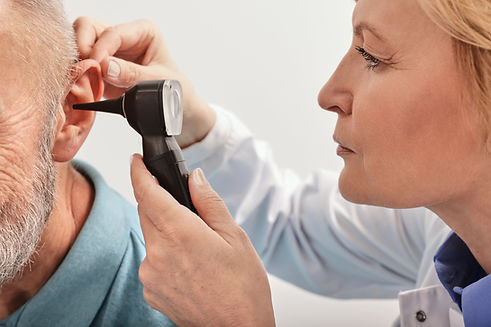
Using digital otoscopy, an ear examination allows the ear canal and eardrum to be assessed safely and clearly.
In many cases, this can identify whether ear wax may be contributing to symptoms and whether treatment is appropriate.
What If Ear Wax Is Causing the Problem?
If ear wax build-up is identified and safe to remove, microsuction is widely regarded as the safest and most effective method of ear wax removal.
Benefits include:
-
Dry procedure with no water
-
Direct visual guidance throughout
-
Suitable for many hearing aid users
-
Minimal discomfort
-
Immediate improvement in many cases
However, if symptoms appear unrelated to wax, further medical assessment may be recommended.

Should You Contact a GP for Tinnitus?
Tinnitus can have many different causes.
Occasional ringing, buzzing, or humming may be linked to:
-
Ear wax build-up
-
Noise exposure
-
Hearing changes
-
Ear pressure issues
If tinnitus is persistent, worsening, affecting daily life, or accompanied by hearing loss or dizziness, it is sensible to discuss it with your GP.
A professional ear examination can help rule out wax-related causes before further investigations are considered.
Should You Contact a GP for Blocked Ears?
Blocked ears are one of the most common reasons people seek ear care.
Many cases are caused by:
-
Ear wax
-
Pressure changes
-
Congestion
-
Mild inflammation
However, you should seek medical advice if blocked ears are accompanied by:
-
Severe pain
-
Discharge
-
Sudden hearing loss
-
Persistent dizziness
-
Symptoms that continue despite treatment
If symptoms are mild and you are unsure of the cause, a professional ear examination may provide clarity.

Why Guessing Can Delay the Right Treatment
One of the biggest challenges with ear symptoms is that many conditions produce similar signs.
For example:
-
Ear wax build-up
-
Ear infections
-
Eustachian tube dysfunction
-
Hearing loss
-
Tinnitus
can all cause:
-
Blocked ears
-
Reduced hearing
-
Pressure
-
Discomfort
Without examining the ear properly, it can be difficult to know which issue is responsible.
This is why assessment before treatment is always the safest approach.
Getting the Right Advice for Your Ear Health
If you are experiencing blocked ears, hearing changes, pressure, or other ear-related symptoms in Shirley, Solihull, it is not always easy to know whether you need a GP appointment or an ear examination.
At Ear Care 4 You, we provide professional ear examinations and safe microsuction ear wax removal in the comfort of your own home. Where symptoms appear unrelated to ear wax, we will always advise you appropriately and recommend further medical assessment when necessary.
Our approach focuses on clear guidance, honest advice, and helping you understand the safest next step for your ear health.
Call us today on 07482 553743
Email: info@earcare4you.com