
Winter Colds, Sinus Issues, and Blocked Ears in Solihull, What’s the Connection?
- Jonny Houlton
- Jan 29
- 5 min read

If you have noticed blocked ears during winter in Solihull, you are not alone. Many people experience ear pressure, muffled hearing, or a feeling of fullness during the colder months, particularly during or after a winter cold. These symptoms can be uncomfortable and confusing, especially when it is unclear whether the cause is earwax, sinus congestion, or something more serious.
Winter brings a combination of cold air, seasonal illnesses, and changes in daily habits, all of which can affect ear health. For adults, older adults, and hearing aid users, these changes can make ear symptoms more noticeable and longer-lasting.
This article explains the connection between winter colds, sinus issues, and blocked ears. It will help you understand why symptoms occur, what usually helps, and when it is sensible to seek professional advice. The aim is reassurance, clarity, and practical guidance, not alarm.
Why Are Blocked Ears More Common During Winter?
Many winter ear problems in Solihull are linked to seasonal changes rather than a single cause. Winter affects the ears in several ways.
Cold weather dries the skin inside the ear canal. This can make earwax drier and harder, which reduces its ability to move out of the ear naturally. As a result, wax can build up more easily.
Winter also brings an increase in colds, flu, and sinus infections. These illnesses cause inflammation and mucus production in the nose and sinuses. Because the ears are connected to the nose through a pressure-regulating system, congestion can directly affect how the ears feel.
Another factor is timing. Many people delay seeking care over Christmas and the New Year. By January, symptoms that started as mild discomfort may feel more noticeable or persistent.
Together, these factors help explain why blocked ears are commonly reported during the winter months.
How Are the Sinuses and Ears Connected?
Understanding the connection between sinus congestion and blocked ears does not require medical knowledge. A simple explanation is enough.
Each ear is connected to the back of the nose by a small passage called the Eustachian tube. Its job is to balance pressure and allow normal movement of the eardrum. When this tube works well, your ears feel comfortable and your hearing remains clear.
During a cold or sinus infection, the lining of the nose and sinuses becomes swollen. Mucus thickens, and airflow is reduced. When this happens, pressure cannot equalise properly.
This can lead to symptoms such as:
A feeling of fullness in the ear
Muffled or reduced hearing
Popping or crackling sounds
Discomfort that worsens when swallowing or yawning
This is a common reason for ear pressure during colds, and it often improves as congestion settles.
Can a Cold Cause Blocked Ears Even After You Feel Better?
Yes. One of the most common concerns we hear is about blocked ears after a cold that seems to have resolved.
Cold symptoms may ease, but inflammation inside the nose and sinuses can linger. The Eustachian tube may remain partially blocked, especially in winter when cold air dries and irritates the nasal passages.
This can result in:
Pressure that comes and goes
Temporary hearing changes
Sensitivity to sound
A blocked sensation without pain
These symptoms are usually temporary, but they can last longer in winter, particularly if earwax is also present.
Why Does Ear Wax Build Up More Easily in Winter?
Earwax plays an important role in protecting the ear. However, winter conditions can change its behaviour.
Cold air dries earwax, making it thicker and less mobile. At the same time, people tend to wear hats, headphones, and hearing aids more often in winter, which can reduce natural wax movement.
Hearing aid users are particularly affected. Devices can prevent wax from migrating out of the ear canal, increasing the risk of blockage.
Many people try home remedies during winter, but DIY methods are often less effective when the wax is dry and compacted. In some cases, they can make blockages worse.
This is why microsuction ear wax removal is often recommended as the safest and most effective option during winter. It allows wax to be removed gently under direct vision without introducing moisture into the ear.
Is It Ear Wax, Sinus Pressure, or an Infection?
This is one of the most important questions to answer. Many winter ear symptoms overlap, but there are some useful distinctions.
Symptoms More Likely Related to Ear Wax
Gradual hearing loss
A blocked or full feeling
Ringing or buzzing
No pain or discharge
Symptoms More Likely Related to Sinus Pressure
Ear fullness that changes with swallowing
Pressure during a cold
Crackling or popping
Symptoms in both ears
Symptoms That May Indicate Infection
Persistent pain
Discharge from the ear
Dizziness or balance problems
Sudden hearing changes
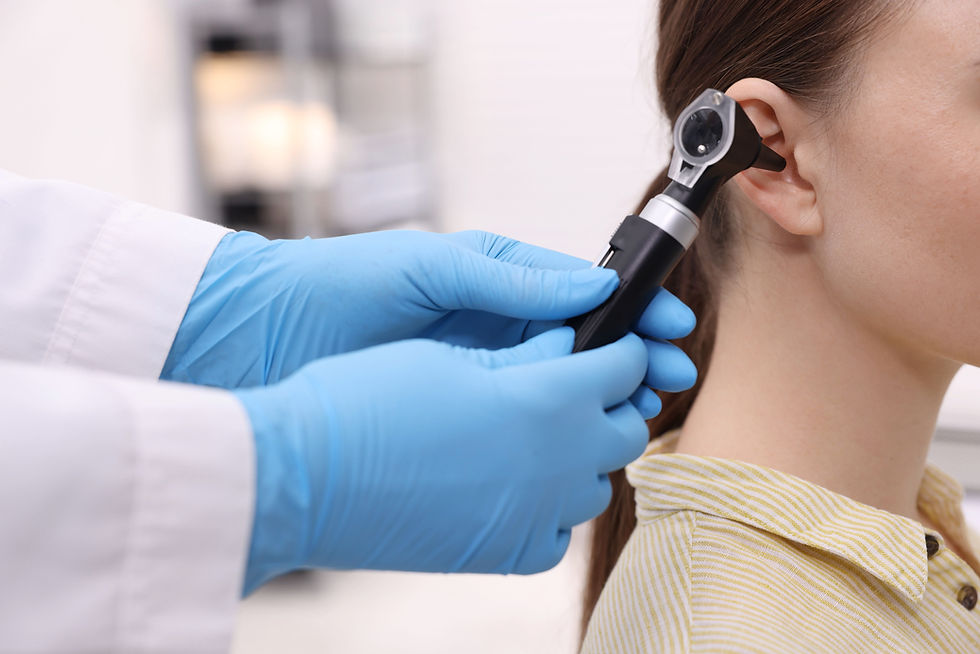
Because symptoms can overlap, self-diagnosis is not always reliable. This is why an ear examination in Solihull is often the safest first step. A clear view inside the ear helps identify whether wax, inflammation, or another issue is present.
When Should You Seek Professional Advice?
Winter ear symptoms often improve on their own, but there are times when it is sensible to seek help.
Consider professional advice if:
Symptoms last longer than a few days
Hearing becomes suddenly worse
There is pain or discharge
You experience dizziness
Hearing aids stop working as expected
For sudden or severe blockages, emergency appointments may be appropriate. This option is available for urgent situations.
Why Home Visits Matter More During Winter
Winter can make travelling more difficult, especially for older adults or those recovering from illness. Cold weather, fatigue, and mobility concerns often delay care.
Mobile ear care allows assessment and treatment in a familiar environment. This is particularly helpful for adults and older adults who prefer not to travel when unwell.
Frequently Asked Questions
Can a cold cause blocked ears? Yes. Inflammation and congestion during a cold can prevent pressure from equalising properly, leading to blocked ears.
How long do blocked ears last after a sinus infection? Symptoms often improve within days, but lingering inflammation can last longer, especially in winter.
Should I wait for blocked ears to clear on their own? Mild symptoms often resolve, but persistent or worsening symptoms should be checked.
Is earwax removal safe during a cold? It can be safe, but an ear examination is needed first to ensure it is appropriate.
Take the Safest Next Step if Your Ears Still Feel Blocked in Solihull
If your ears still feel uncomfortable or blocked, the safest approach is to identify the cause rather than guessing. A professional ear examination can confirm whether wax, pressure, or another issue is responsible and guide the next step safely.
Call us today on 07482 553743
Email: info@earcare4you.com


Comments